What Humid Midlands Summers Do to Your Carpet and Upholstery
Anyone who has spent a July in the Midlands knows the feeling of stepping outside at two in the afternoon and walking into a wall of wet air. That humidity does not stay in the yard. It comes inside, settles into the soft surfaces of your home, and quietly causes a few problems most people never connect to the weather. Carpet, rugs, and upholstery all soak up moisture from the air, and around Springdale they spend months at a time holding more of it than is good for them.
Here is what that means for the inside of your house, and what you can do about it before it turns into a smell you cannot place.
Soft surfaces are sponges
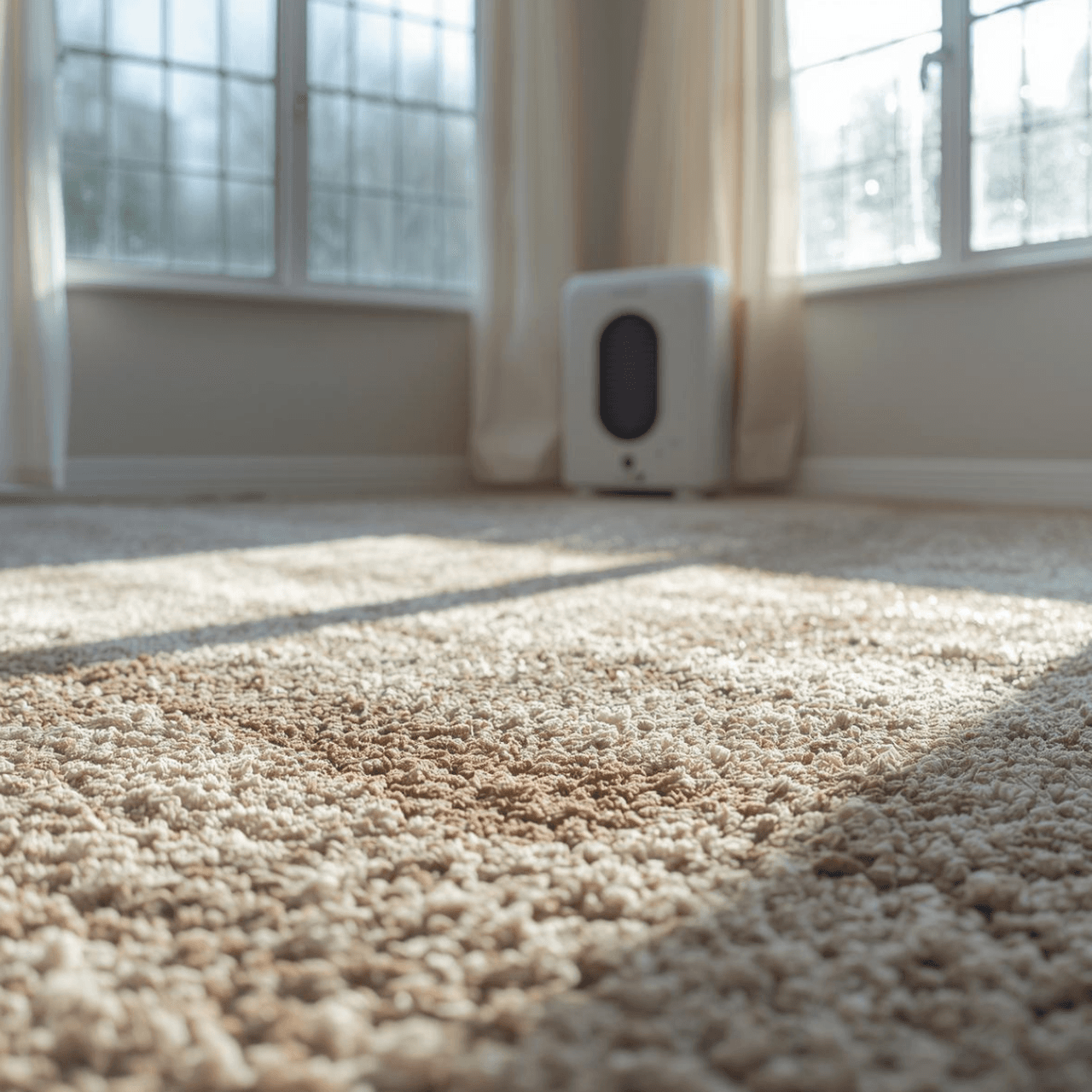
Carpet padding, rug foundations, and furniture cushions are all porous, and porous materials pull moisture out of humid air and store it. In a home that runs the air conditioning hard all day, this stays manageable because the AC pulls humidity out as it cools. In a home that does not, or in a room that the cooled air does not reach well, the soft surfaces stay damp for weeks on end through the warm season.
Damp on its own is not the issue. Damp plus the organic material already living in your carpet is. Every carpet holds some amount of body oil, food residue, pet dander, and dead skin that dust mites feed on. Add steady moisture and warmth, and that material becomes active. Bacteria multiply, mild mildew can take hold down in the pad, and the result is the stale, musty edge a lot of Midlands homes pick up by August. Often nothing new spilled. The summer air just woke up what was already there.
The allergy connection
Humidity does not only feed odor. It also keeps allergens active. Dust mites are the clearest example. They thrive in warm, humid conditions, and our climate gives them exactly that nearly year-round. In a drier part of the country, winter knocks the mite population back. Here it barely budges. Carpet and upholstery that have not been deep cleaned can carry a heavy dust mite load, and the allergen is not the mite itself but the proteins in its waste, which trigger congestion, sneezing, and asthma flares.
Then there is the pollen that came in during spring. Pine and oak pollen settles into carpet and cushions through the open-window months, and the fibers hold it long after the outdoor count has dropped. So someone in the house can still be reacting in June to pollen the carpet trapped back in March. Humidity keeps that trapped material in play instead of letting it break down and clear.
If anyone in your home deals with allergies or asthma, the soft surfaces are part of the story whether it feels that way or not. A deep cleaning empties that reservoir, and for households where it is a real concern, our antibacterial sanitizer add-on goes a step further by deactivating the allergen proteins themselves rather than just removing soil.
Why soaking it is the wrong fix
Here is the trap. The instinct, once a carpet smells musty, is to clean it, and the most common cleaning method puts a lot of water into it. In our climate that can make the problem worse, not better. A steam clean that leaves the pad soaked is adding moisture to a surface that is already holding too much, in air that dries it slowly. You can end up feeding the exact bacteria and mildew you were trying to get rid of.
That is the whole case for low-moisture cleaning in a humid region. Our carbonating method lifts the embedded soil and the organic material up and extracts it while leaving the carpet dry in about an hour, so you remove the food source for the smell without adding water to the problem. The same logic applies to furniture, which is why our upholstery cleaning uses the same low-moisture approach.
Staying ahead of it
A few habits go a long way through the summer. Run the air conditioning or a dehumidifier enough to keep indoor humidity in a reasonable range, since dry air is the single biggest defense. Vacuum the high-traffic carpet and the furniture a couple of times a week to keep the organic material from building up. Open windows on the dry days and keep them shut on the soupy ones. And get a deep cleaning timed to the season, ideally once the spring pollen has settled, to empty the reservoir before the worst of the humidity sets in.
The Midlands summer is not going anywhere, but a musty house is not the price of admission. Stay ahead of the moisture and the soft surfaces stay fresh. When they get ahead of you, call us at 803-310-3848 and we will reset them.